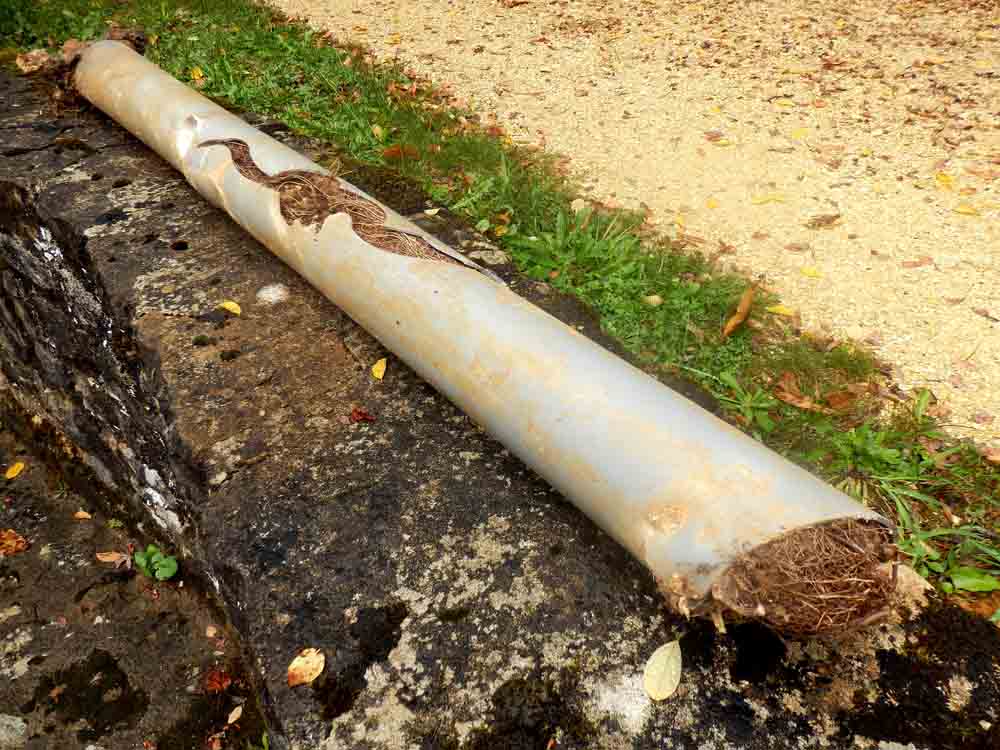
Most homeowners never think about what is happening inside their sewer lines -- until something goes wrong. At Sugar Bear Home Services, our technicians spend countless hours navigating the underground plumbing beneath Bay Area homes with high-definition sewer cameras. What we find down there often surprises homeowners and tells a fascinating story about the history, geology, and unique challenges of Bay Area plumbing.
How Sewer Camera Inspection Technology Works
Modern sewer camera inspection uses a waterproof, high-definition push camera attached to a flexible rod. The camera head is typically about 1 inch in diameter and equipped with powerful LED lights that illuminate the pipe interior. As the technician feeds the camera through your sewer line, a real-time video feed displays on a monitor, allowing us to see every inch of the pipe from the inside.
The camera also transmits a radio signal that allows us to locate the exact position and depth of the camera head from above ground. This means we can pinpoint the precise location of any problem without digging.
What the Technology Reveals
The camera captures video and still images at a resolution high enough to identify hairline cracks, small root tendrils, and early-stage corrosion that would be invisible to the naked eye. The footage is recorded and provided to the homeowner as part of the inspection report.
Common Findings Under Bay Area Homes
After thousands of inspections across San Francisco, Daly City, South San Francisco, San Bruno, Pacifica, San Mateo, and Sausalito, certain problems come up again and again:
Root Intrusion
This is by far the most common issue we encounter. Bay Area neighborhoods are full of mature trees whose roots aggressively seek out moisture. We regularly find everything from fine root hairs creating a net-like blockage to massive root balls that have completely filled the pipe interior. Root intrusion is especially prevalent in older neighborhoods with large street trees.
Corroded Cast Iron
Homes built before the 1970s typically have cast iron sewer lines. Over decades of use, the interior of these pipes corrodes, creating rough surfaces that catch debris and narrow the pipe diameter. In advanced cases, the pipe wall becomes so thin that it collapses entirely. We see this frequently in San Francisco, Daly City, and older parts of South San Francisco.
Bellied Pipes
A bellied pipe is a section of sewer line that has sunk due to ground settling or soil erosion. This creates a low spot where water and waste collect instead of flowing freely toward the main sewer. Bellied pipes are common in areas with expansive clay soil or where hillside movement has shifted the ground -- a frequent occurrence throughout the Bay Area.
Offset Joints
When sections of pipe shift out of alignment, they create offset joints where debris can catch and build up over time. This is especially common with older clay pipes that were joined with mortar rather than modern rubber couplings. Even a small offset can lead to chronic backup issues.
Grease Buildup
Cooking grease poured down kitchen drains solidifies as it cools, coating the interior of pipes with a thick, sticky layer that narrows the pipe diameter and traps other debris. Over years, this buildup can reduce a 4-inch pipe to less than 1 inch of usable diameter. We see heavy grease buildup in both residential and commercial properties throughout the Bay Area.
Mineral Deposits
Hard water deposits and mineral scale accumulate on pipe walls over time, particularly in areas with higher mineral content in the water supply. These crystalline deposits create a rough surface that catches debris and reduces flow capacity.
Pipe Materials by Era: What is Under Your Home?
The material of your sewer line depends largely on when your home was built:
- **Pre-1950s**: Vitrified clay pipes, often with mortar joints. Common in San Francisco and older Bay Area neighborhoods.
- **1950s-1970s**: Cast iron was the standard. Most mid-century homes in Daly City, South San Francisco, and San Bruno have cast iron sewer lines.
- **1970s-1990s**: ABS (Acrylonitrile Butadiene Styrene) plastic became common. Many homes in newer developments use this material.
- **1990s-Present**: PVC (Polyvinyl Chloride) is the current standard. Newer construction and pipe replacements use this durable, smooth-interior material.
When Should You Get a Sewer Camera Inspection?
We recommend a sewer camera inspection in the following situations:
- **Before Buying a Home**: A sewer inspection can reveal problems that a standard home inspection will miss. Sewer line replacement can cost $5,000-$25,000 or more -- information you want before closing.
- **Recurring Drain Problems**: If the same drain keeps backing up despite repeated clearing, a camera inspection identifies the root cause.
- **After Tree Removal**: Even after a tree is removed, its root system continues to live and grow for years. An inspection confirms whether roots have infiltrated your sewer line.
- **Older Homes (25+ Years)**: If your home is more than 25 years old and has never had a sewer inspection, scheduling one can help you plan for future maintenance or replacement.
Cost and What the Report Includes
A professional sewer camera inspection in the Bay Area typically costs $200-$400, depending on the length and accessibility of the sewer line. At Sugar Bear Home Services, your inspection includes a full video recording of the inspection, a written report identifying all findings, location mapping of any problem areas, and a recommended action plan with cost estimates for any needed repairs.
Schedule your sewer camera inspection today by calling Sugar Bear Home Services at (650) 618-9680.